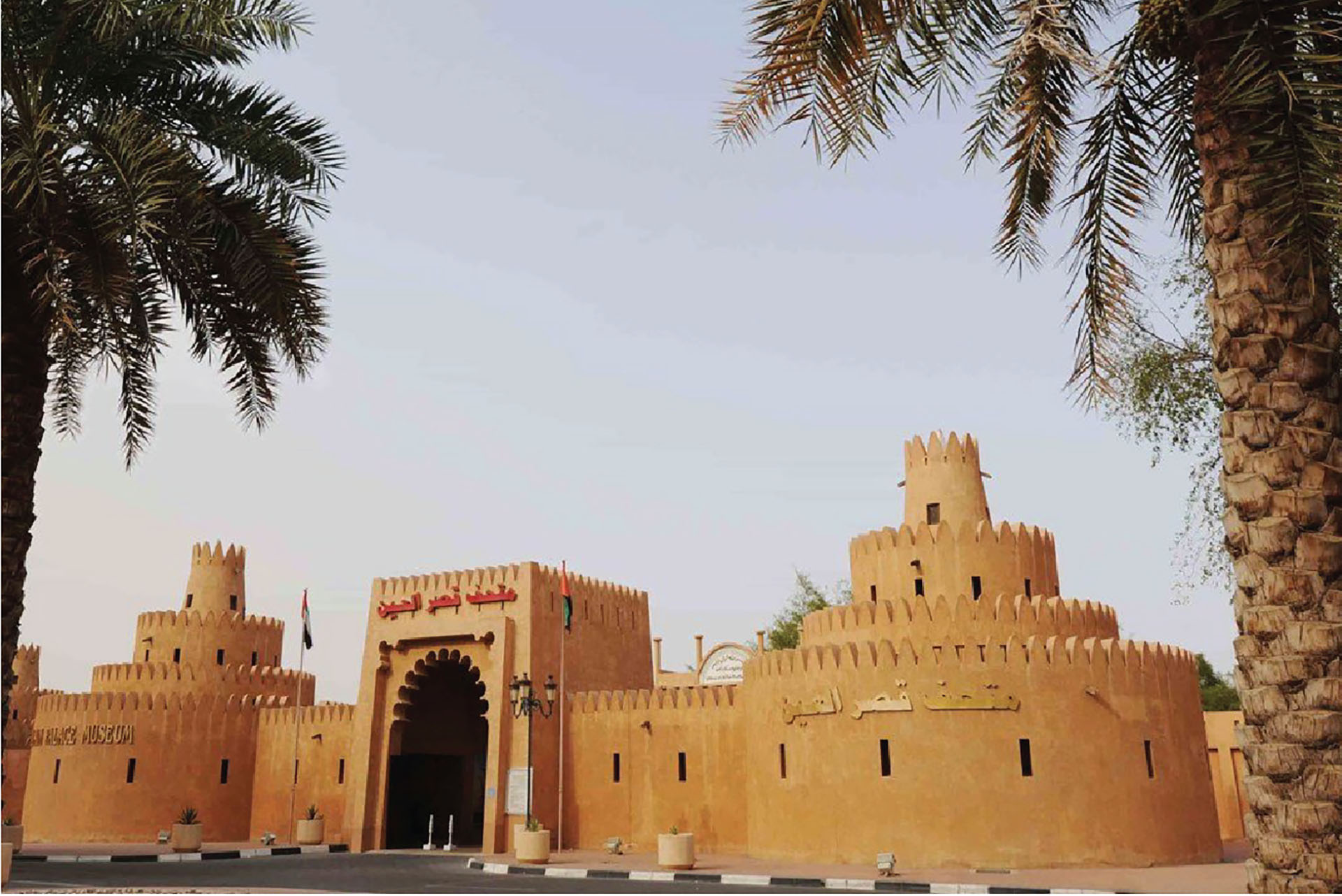
Known as the Garden City, Al Ain is home to UNESCO-listed oases, ancient mud-brick forts, and Jebel Hafeet — a mountain road often ranked among the best drives in the world.
Tucked against the Omani border, Al Ain grew up around natural aflaj irrigation channels that still water its palm oases today — a UNESCO World Heritage Site since 2011. It’s the birthplace of UAE Founding Father Sheikh Zayed, and the mud-brick forts and watchtowers scattered across the city tell that older, slower story of the Emirates.
Above it all sits Jebel Hafeet, whose 60-plus-kilometre mountain road climbs to panoramic views over the city and desert beyond — a favourite with drivers and photographers, and noticeably cooler than Dubai’s coastal humidity.
The highlights that make Al Ain worth the trip.
A UNESCO-listed maze of walking trails through 147,000 date palms, still irrigated by a centuries-old falaj system.
A sweeping mountain drive to panoramic views over Al Ain and the desert border with Oman.
One of the UAE’s largest historic forts, built in the 1890s and now home to exhibits on explorer Wilfred Thesiger.
One of the region’s leading wildlife parks and a key player in Arabia’s conservation efforts.
The former residence of UAE Founding Father Sheikh Zayed, now a museum showing royal family life in the mid-20th century.
Bronze Age tombs and a reconstructed circular tomb dating back more than 4,000 years, set in a public garden.
Hotel pickup, expert guides, and hassle-free booking included.
Everything travellers ask us before visiting Al Ain.
Trade the coastline for oases and mountain air — Al Ain is closer than you think.